
TMJ / Jaw Physiotherapy
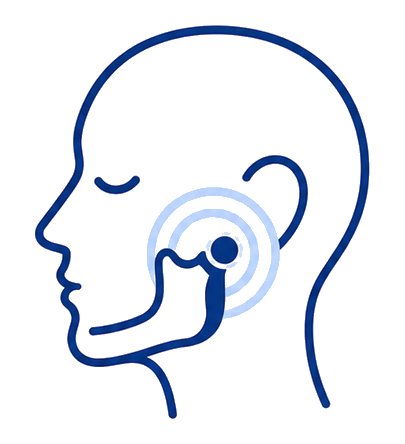
What Is TMJ / Jaw Physiotherapy?
TMJ / jaw physiotherapy is specialized treatment for jaw pain, clicking, locking, clenching, grinding, and TMJ-related headaches.
If your jaw feels tight, sore, or hard to move, this treatment can help restore more comfortable function.
Our TMJ physiotherapists use manual therapy, targeted exercises, and habit modification strategies to reduce pain and improve jaw movement.
Is This Right for You?
TMJ / Jaw Physiotherapy is ideal if you're experiencing any of the following:
What to Expect: Your First Visit Through Discharge
Here's what a typical visit to Victoria Park physiotherapy Scarborough clinic looks like, from your first appointment through discharge.
TMJ-Specific Assessment
Your physiotherapist evaluates: Jaw range of motion, Joint sounds, Muscle tenderness, Cervical spine function, Posture, Breathing patterns, Para functional habits such as clenching and grinding. This assessment helps identify the root cause of your symptoms, not just where you feel the pain.
Pain Relief & Joint Mobilization
Gentle intra-oral and extra-oral manual techniques release tight jaw muscles, mobilize the TMJ, and address contributing factors in the neck and upper back. Treatment is gentle, and your comfort is always a priority.
Targeted Exercises
You learn specific exercises to: Improve jaw mobility, Strengthen stabilizing muscles, Correct postural habits, Retrain neuromuscular control of jaw opening and closing. These exercises help you keep the progress you make in treatment.
Behavioral Modifications
You receive practical strategies for: Managing clenching and grinding, Optimizing sleep posture, Modifying diet during flare-ups, Reducing parafunctional habits throughout the day. Small changes often make a big difference when it comes to TMJ symptoms.
Long-Term Management
With better awareness and a tailored home program, most patients achieve lasting relief. Periodic check-ins help maintain progress and catch any recurrence early.
Why Choose TMJ / Jaw Physiotherapy?
Here’s what patients often notice after TMJ physiotherapy Scarborough:
Jaw Pain Relief
Less soreness, tightness, and discomfort
Headache Reduction
Fewer tension headaches and jaw-related migraines
Easier Eating
Chewing becomes more comfortable and natural
Improved Speech
Less strain when talking
Better Sleep
Reduced clenching and grinding at night
Less Clenching
Better control of jaw tension during the day
Frequently Asked Questions
Answers to the most common questions about tmj / jaw physiotherapy.
TMJ dysfunction refers to problems with the jaw joint and the surrounding muscles that control jaw movement. Common symptoms include: Jaw pain, Clicking or popping when opening your mouth, Jaw locking, Difficulty chewing, Facial pain or tenderness, Headaches, especially in the temples, Earaches or tinnitus, Neck stiffness. Symptoms are often worse in the morning if you clench or grind at night. Our physiotherapists can assess whether your symptoms are coming from the jaw joint, the muscles, or both.
Yes. TMJ physiotherapy is a highly effective, non-invasive treatment for most TMJ disorders. Treatment may include: Manual therapy, Intra-oral techniques to release tight jaw muscles, Joint mobilizations, Postural correction, Specific exercises, Behavioral strategies to reduce clenching and grinding. Many patients improve within 4–8 sessions and may be able to avoid more invasive treatments like injections or surgery. We often recommend massage therapy treatments to support physiotherapy to provide a more integrated approach to treatment.
Not necessarily. A custom night guard from your dentist can help protect your teeth from grinding, but physiotherapy addresses the underlying muscle dysfunction, joint restrictions, and postural habits driving the problem. Many patients find their clenching and grinding decrease after a course of TMJ physiotherapy. If a guard is needed, we can work collaboratively with your dentist.
Your first session includes a thorough assessment of your jaw range of motion, joint sounds, muscle tenderness, neck function, and postural habits. Treatment may involve gentle hands-on techniques both outside the mouth and, if appropriate and with your consent, inside the mouth. You will also learn exercises, relaxation techniques, and habit modifications to help manage symptoms between sessions.
TMJ Physiotherapy near me
If you're dealing with jaw pain, clicking, locking, teeth grinding, headaches, facial pain, or jaw stiffness after dental surgery, TMJ physiotherapy can help. Our physiotherapists provide compassionate and effective care for jaw-related pain and dysfunction.
We proudly offer TMJ Physiotherapy in Scarborough, North York, Ellesmere and Victoria Park Avenue
Ready to Start Your Recovery?
Book your TMJ / Jaw Physiotherapy appointment today and take the first step toward feeling your best.