
Spinal Decompression
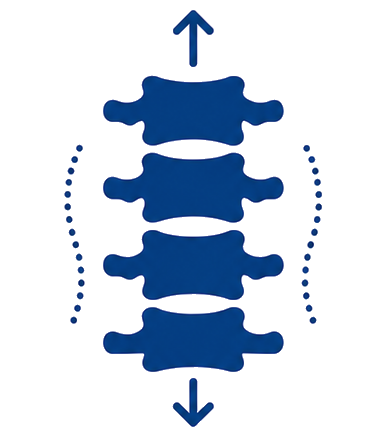
What Is Spinal Decompression?
Spinal decompression is a non-surgical therapy designed to help people with herniated discs, sciatica, degenerative disc disease, and spinal stenosis.
Also known as spinal traction therapy, this treatment uses a computer-controlled table that gently stretches your spine in cycles of pull and relaxation.
This creates negative pressure (a mild vacuum effect) inside the spinal discs, which can help the disc rehydrate, draw nutrients in, and even retract bulging material.
Over time, this reduces pressure on compressed nerves and eases pain.
Most sessions take about 20–30 minutes and are painless.
If you're searching for spinal decompression, this therapy is an excellent option.
Is This Right for You?
Spinal Decompression is ideal if you're experiencing any of the following:
What to Expect: Your First Visit Through Discharge
Here's what a typical visit to Victoria Park physiotherapy Scarborough clinic looks like, from your first appointment through discharge.
Initial Assessment
A registered/licensed physiotherapist or chiropractor will review your medical history, perform a physical examination, and use their clinical judgment to guide whether you're a good candidate for this spinal decompression.
Positioning & Setup
You'll lie comfortably on the spinal decompression table —face-up or face-down—with soft harnesses secured around your pelvis and trunk, or around your neck for cervical treatment.
Computer-Controlled Decompression
The table cycles through gentle distraction and relaxation phases at precisely calibrated angles and forces. Over 20–30 minutes, this creates negative pressure inside the discs to support healing. This is different from static traction or inversion tables.
Supportive Modalities
After the session, you might get ice or heat therapy, gentle soft tissue work, or therapeutic exercises to complement the spinal decompression therapy.
Progress Monitoring
Your progress is tracked through a typical course of 6–20 sessions, with regular re-evaluations to adjust the protocol as needed. Many patients report relief within the first 6–8 spinal traction sessions.
Why Choose Spinal Decompression?
Patients often notice these key benefits:
Disc Healing
Negative pressure helps discs rehydrate and heal
Nerve Decompression
Reducing irritation on compressed nerves
Pain-Free Movement
Improved mobility with less discomfort
Non-Surgical
Avoids the risks of surgery if you're a good candidate
Better Posture
Spinal alignment improves over time
Return to Walking
Many patients walk more easily after treatment
Frequently Asked Questions
Answers to the most common questions about spinal decompression.
Spinal decompression and spinal decompression is a non-surgical treatment using a computer-controlled table to gently stretch the spine in cycles. This creates negative pressure inside spinal discs, which can help retract bulging disc material, encourage nutrient and oxygen exchange, and relieve pressure on compressed nerves. Sessions last about 20–30 minutes and are painless.
No. Static traction or inversion tables pull at a constant force, which can cause muscles to guard or spasm. Spinal decompression therapy uses a computer-controlled, logarithmic cycling between gentle pull and release. This cycling prevents muscles from tightening, allowing the treatment to target the disc more effectively. Patients choose decompression over traditional traction as it prevents muscle guarding/spasm
Spinal decompression and spinal decompression works best for patients with herniated or bulging discs, degenerative disc disease, spinal stenosis (in some cases), and sciatica. It's generally not recommended for people with fractures, tumors, advanced osteoporosis, surgical hardware at the target level, or pregnant individuals. Your initial assessment will screen for safety
A typical treatment course is 6–20 sessions over 4–6 weeks, with sessions 2–3 times per week. Many patients feel symptomatic relief within the first 6–8 sessions. Your progress is monitored regularly, and the protocol is adjusted based on your response.
Yes—spinal decompression therapy is often covered under the physiotherapy or chiropractic portion of extended health plans when delivered by a licensed physiotherapist or chiropractor.
Spinal decompression near me
If you're struggling with disc-related pain and want a different approach, spinal decompression may be right for you. It is an evidenced based modality that will guide you toward healing and returning to everyday movement.
We proudly provide spinal decompression for Scarborough, North York, Ellesmere and Victoria Park Avenue
Ready to Start Your Recovery?
Book your Spinal Decompression appointment today and take the first step toward feeling your best.